Québec’s nature, in a single app.
Take a photo or record a sound to get the species’ full page. Built for Québec’s species, Kebnat identifies for free, offline, and nothing leaves your device.
Identify a photo
or a sound
1,307 species recognized. Thousands more on the way.
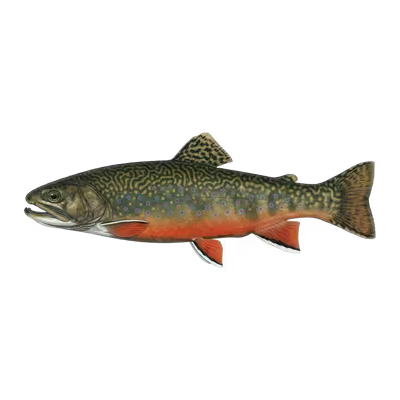
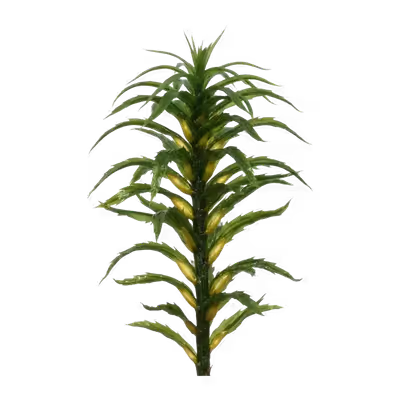
Kebnat in your pocket
Take a photo or record a sound
Birds, mammals and amphibians can also be recognized by their song or call. Add the species to your sightings: the date and place are noted for you.
Download the app1 species seen
A suggestion, not a certainty.
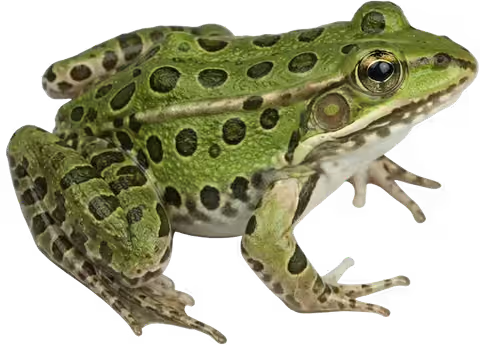
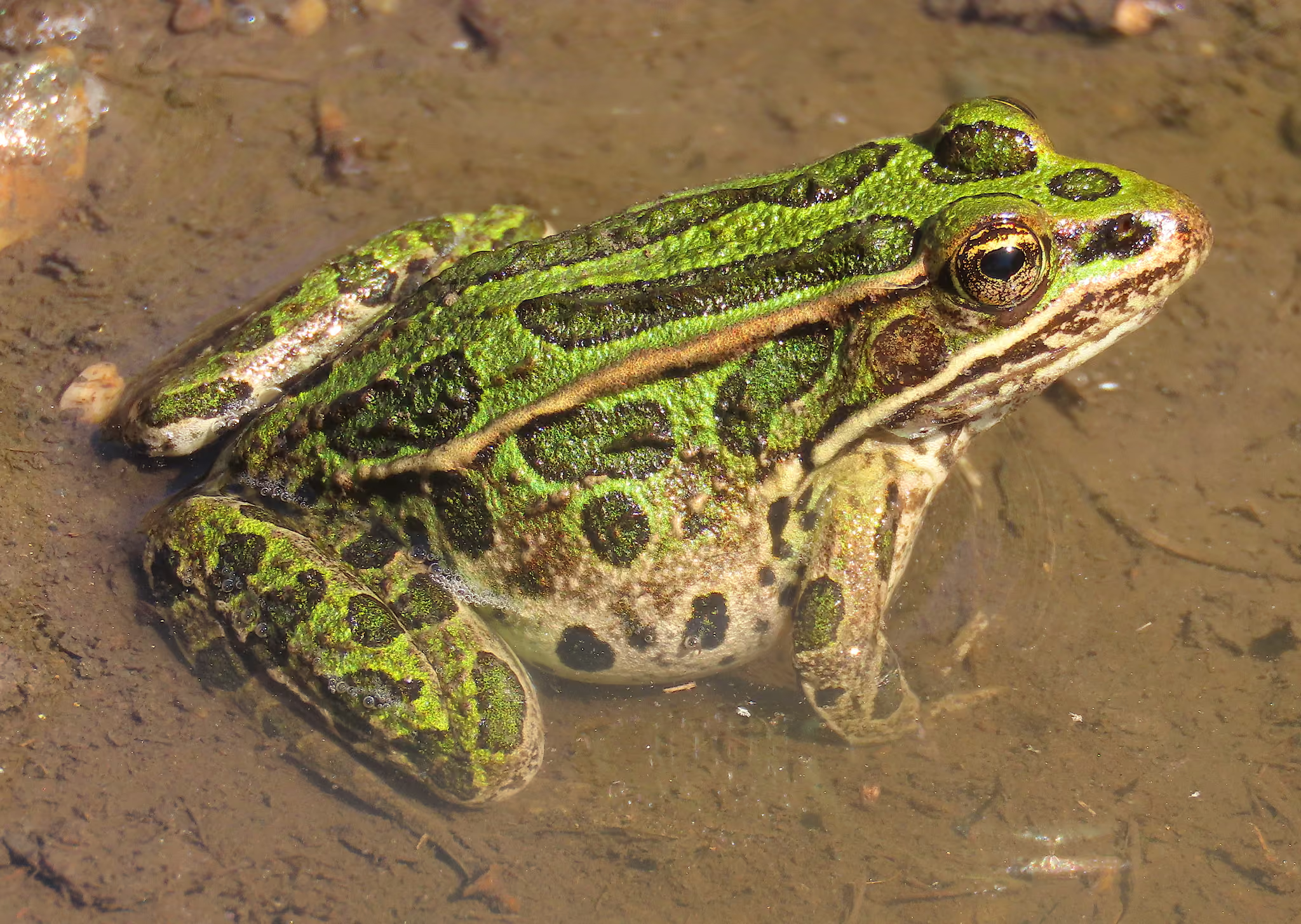
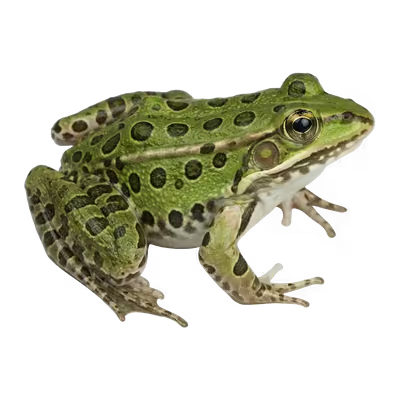
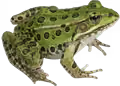
Northern Leopard Frog
Lithobates pipiens
99% confidence
 99%
99%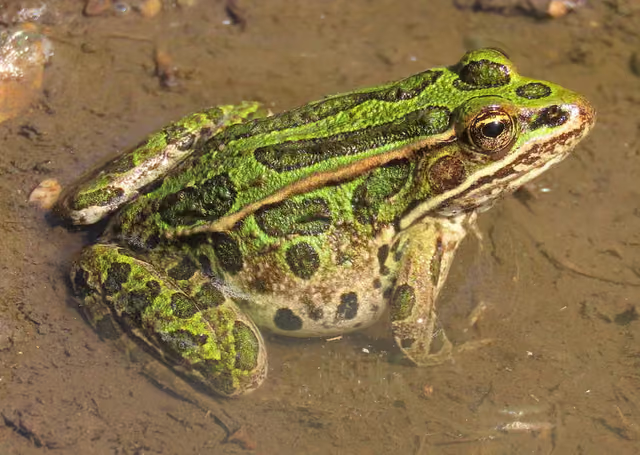 Your photo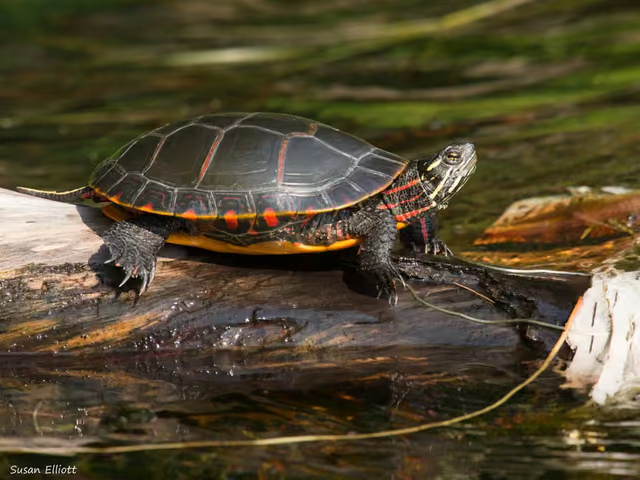
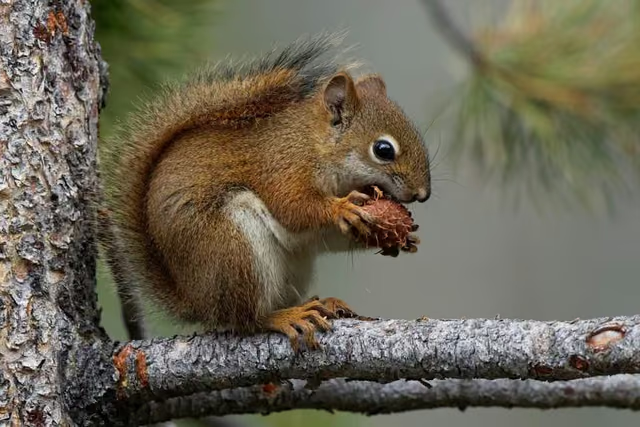
- AMPHIBIANSNorthern Leopard FrogLithobates pipiensLaSalle
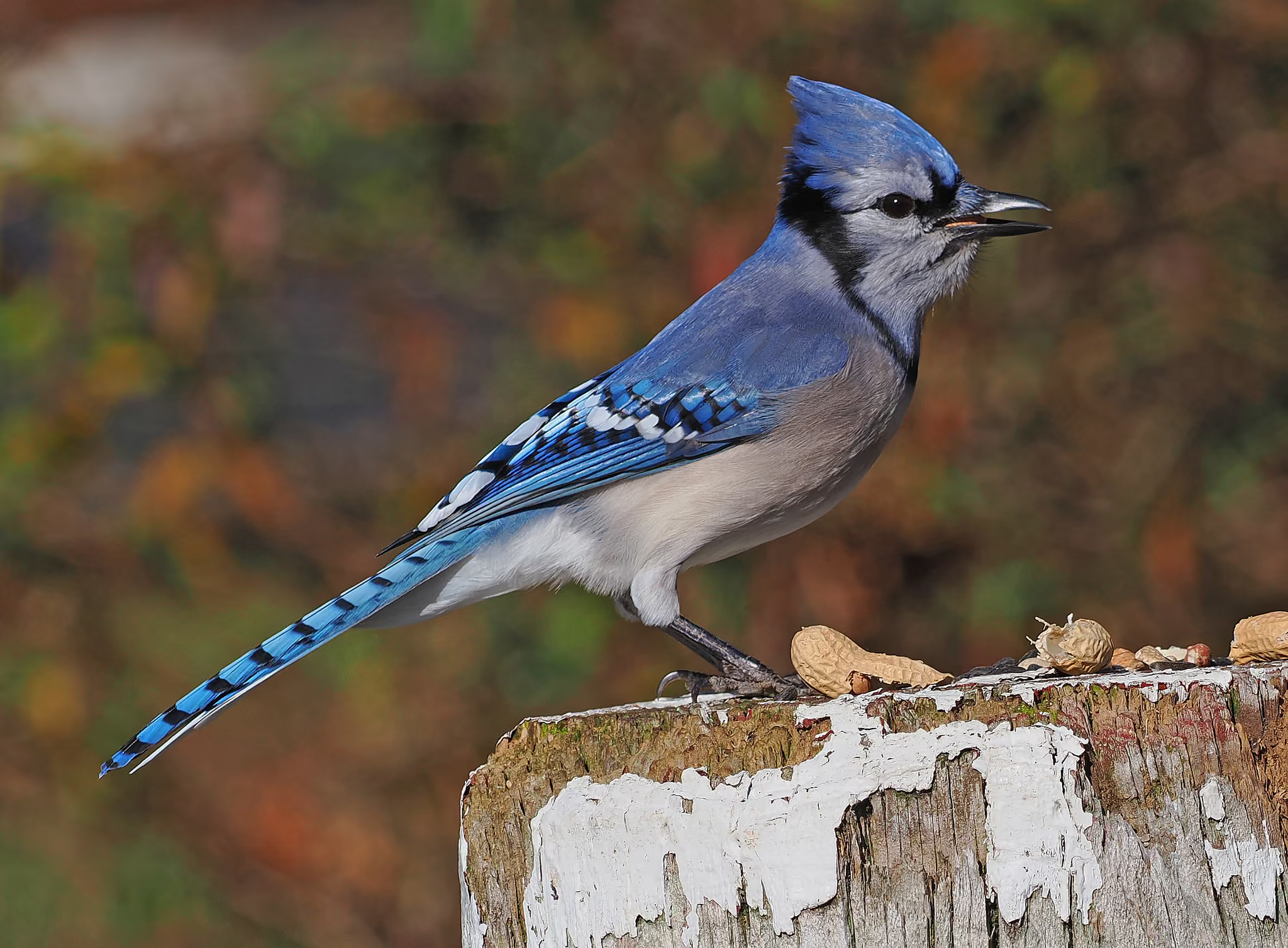
- BIRDSBlue JayCyanocitta cristataMontréal
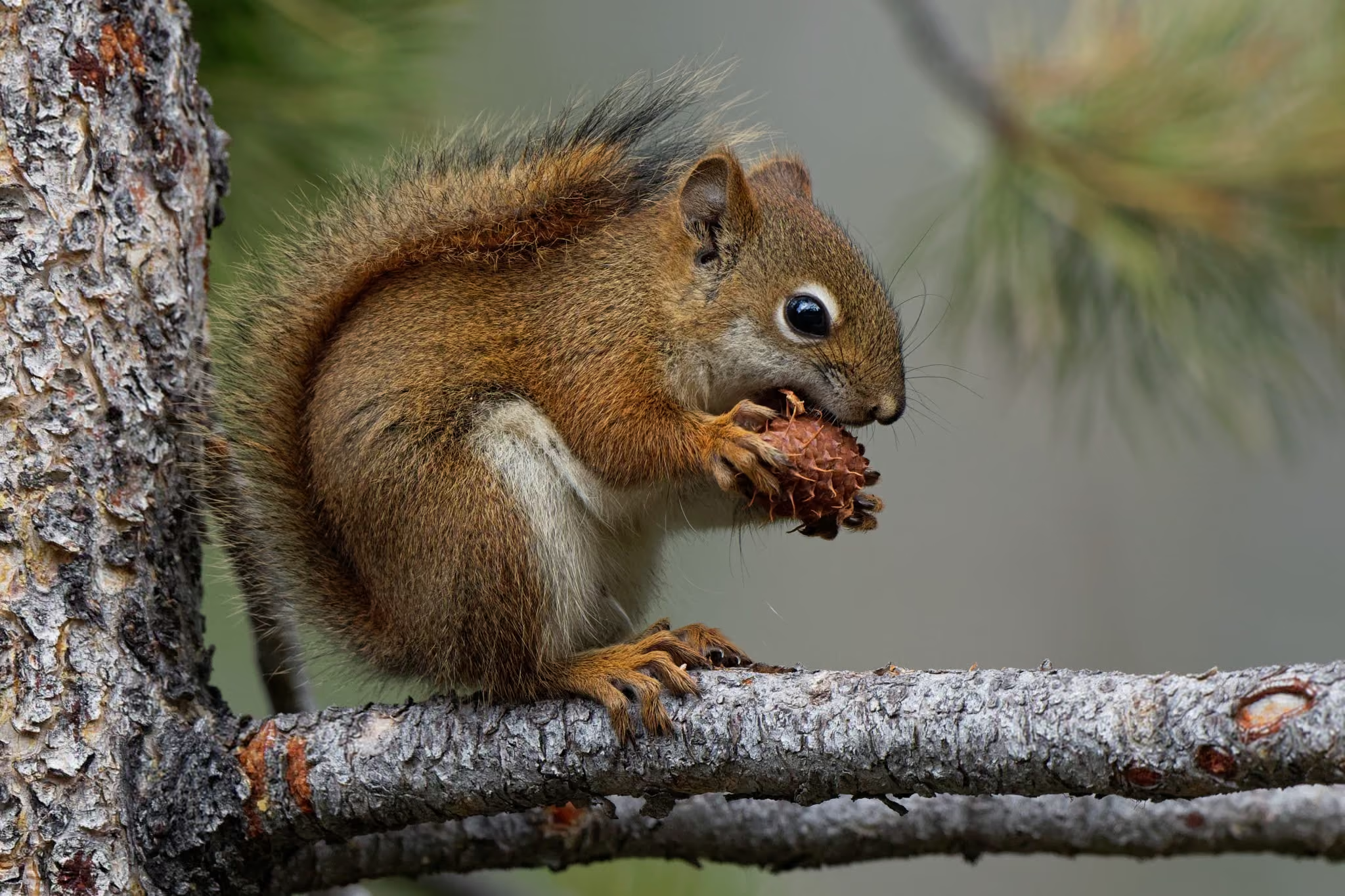
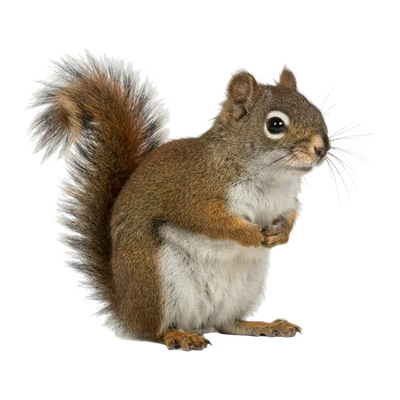
 MAMMALSRed SquirrelTamiasciurus hudsonicusSaint-Laurent
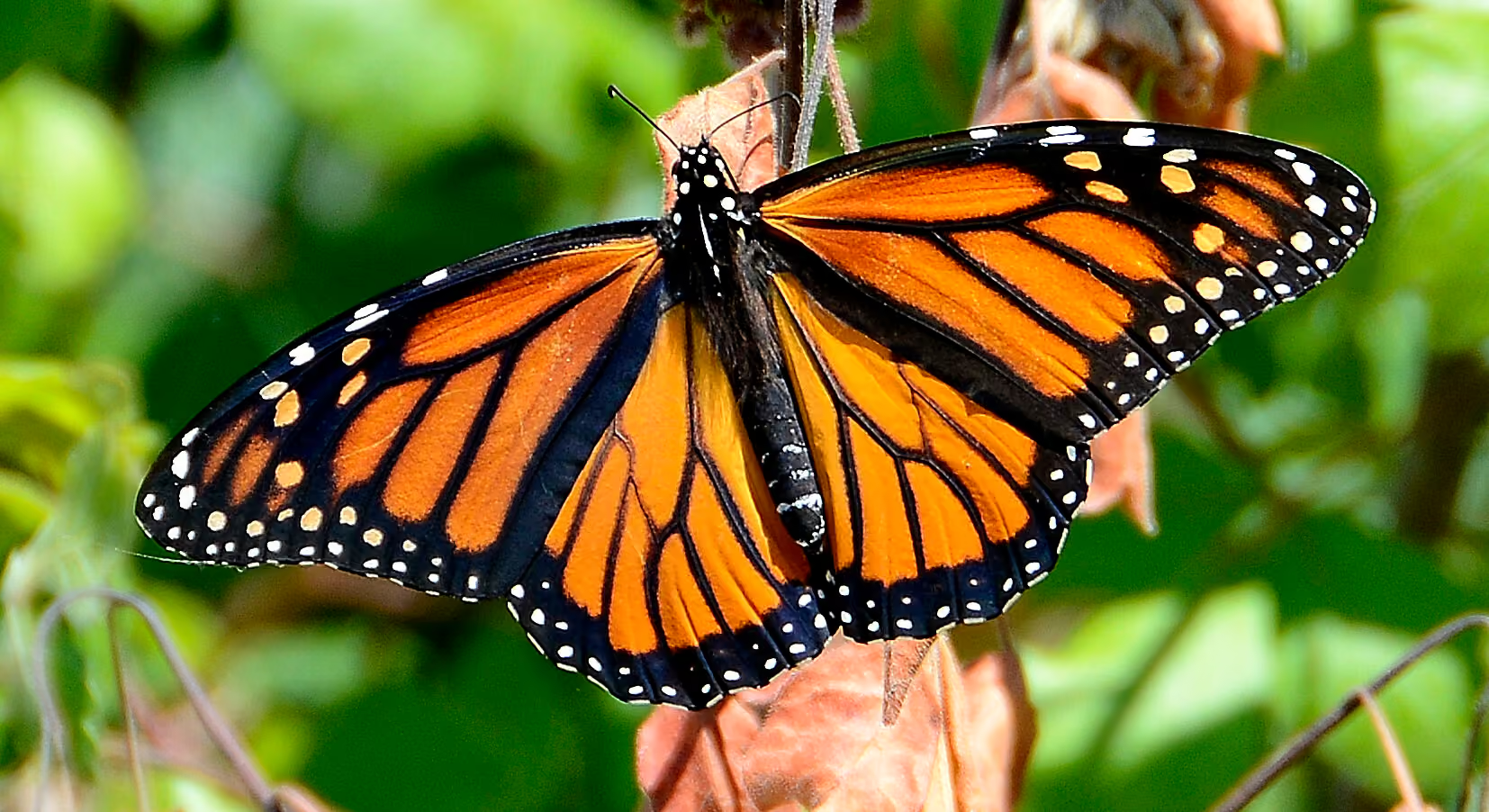
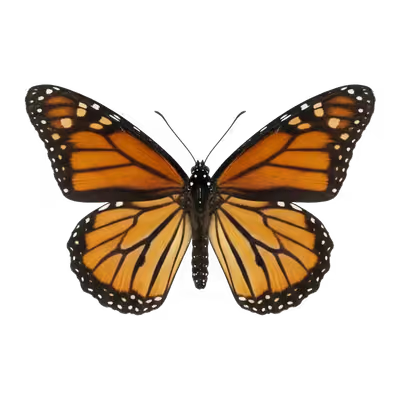
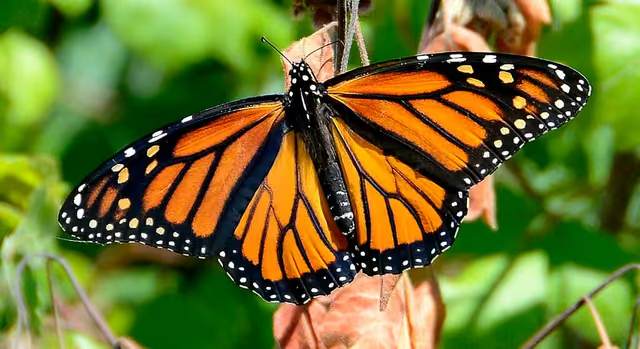
 INSECTSMonarchDanaus plexippusSaint-Philippe
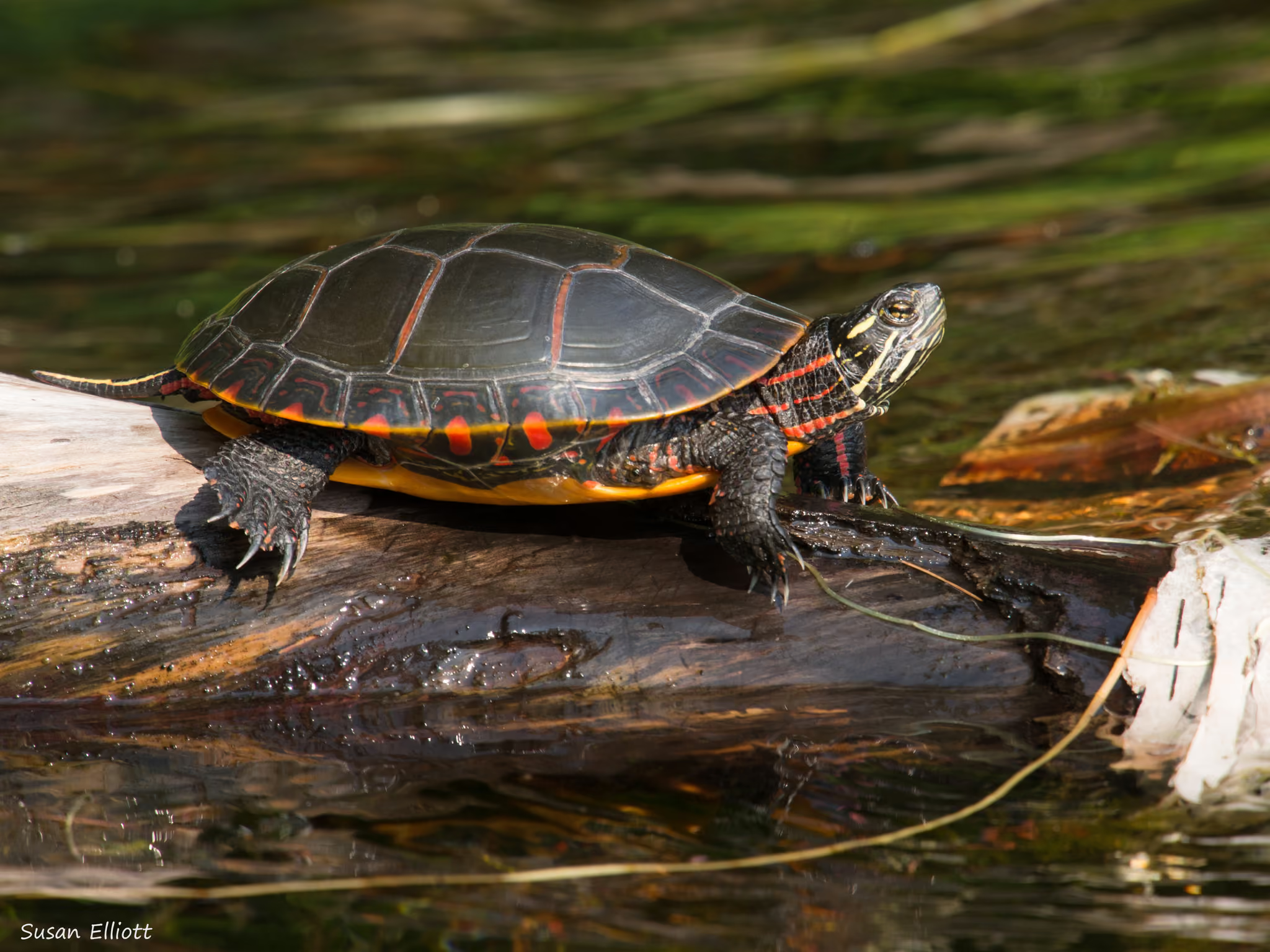
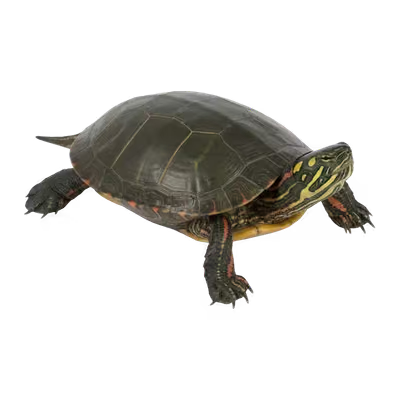
 REPTILESPainted TurtleChrysemys pictaChâteauguay
Even with no signal
No signal? No problem: identification, species pages and the map are all on your phone. Nothing is sent, nothing is kept, and it’s free.
Download the app BIRDSAmerican RobinTurdus migratorius
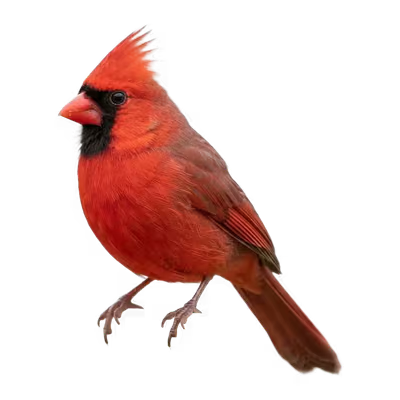
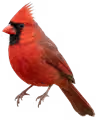 BIRDSNorthern CardinalCardinalis cardinalis
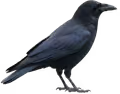 BIRDSAmerican CrowCorvus brachyrhynchos
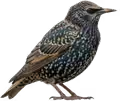 BIRDSCommon StarlingSturnus vulgaris
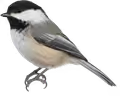 BIRDSBlack-capped ChickadeePoecile atricapillus
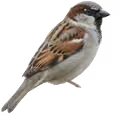 BIRDSHouse SparrowPasser domesticus
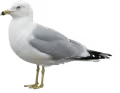 BIRDSRing-billed GullLarus delawarensis
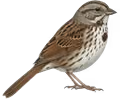 BIRDSSong SparrowMelospiza melodia
A page for every species
Photos, where and when to see it, the species that look like it. And everything you’ve seen, kept in your journal.
Download the app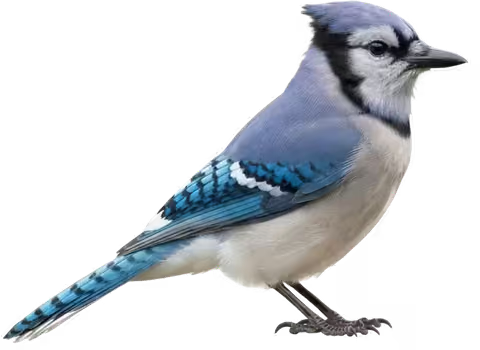 AI
AI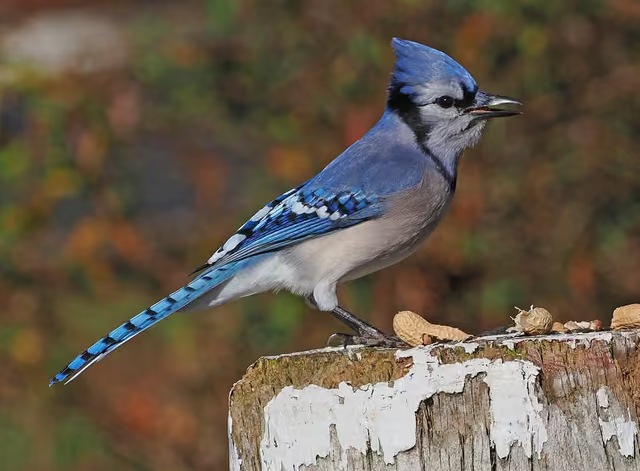
Blue Jay
Cyanocitta cristata
Bird 24–30 cm long. Present year-round. Lives in forests and in urban areas. Feeds on a bit of everything, plant and animal alike. Forages on the ground. The male and the female look alike. A photo will not tell you which of the two you saw.
Observations of Blue Jay peak in May and September and become rare from January to March.
Through the year
Sounds
Tadoussac · May 29, 2025
This recording could not be played.
May 27, 2017
This recording could not be played.
May 25, 2025
This recording could not be played.
Habitat
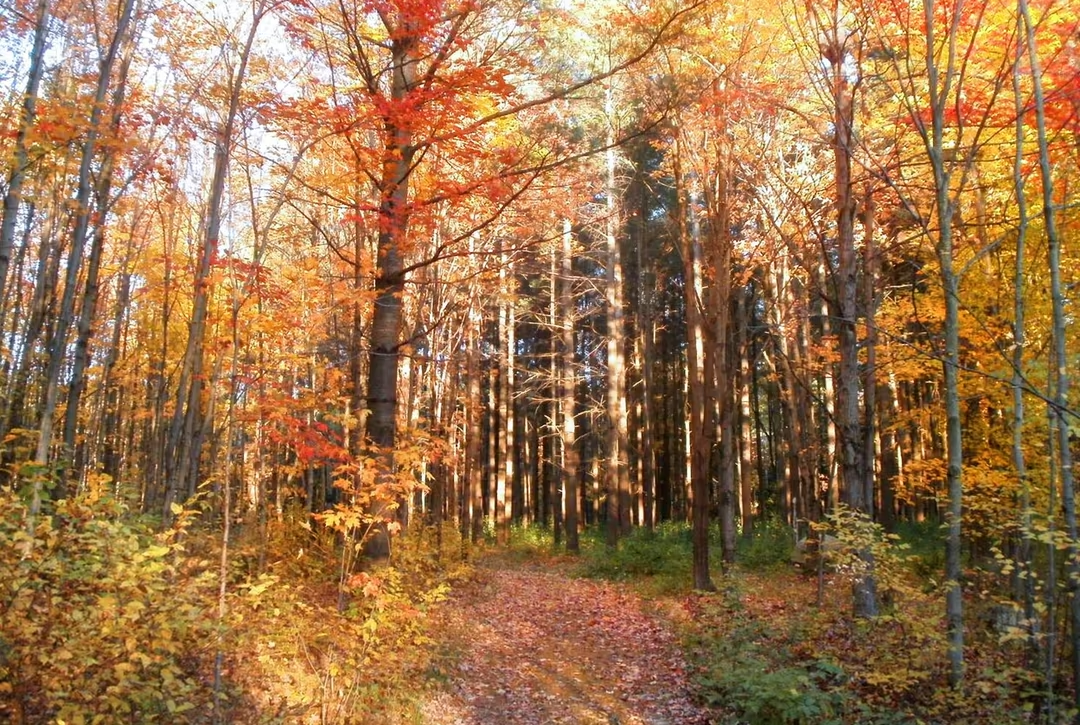 ForestMario Hains
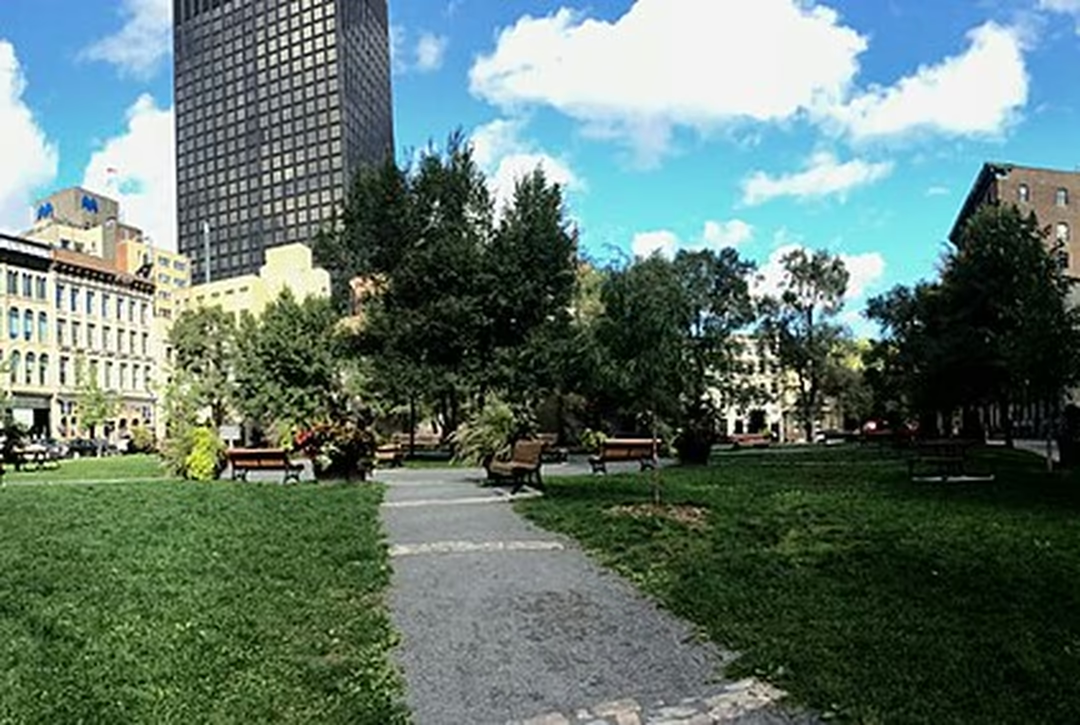 Towns and gardensAndre Carrotflower
Status
Very low risk: very widespread, abundant populations, little or no decline.